• Skip to content
logo logo
  • Blog
Login SIGNUP

malware

Ransomware: What your company needs to know to prevent and combat them

March 22, 2019 by HushApp Team

Ransomware: What your company needs to know to prevent and combat them

Have you ever heard about the Ransomware? Surely you have heard about them in your workplace and also how dangerous they can be. More than a computer technician can tremble only to hear the word, and no wonder, since it is considered one of the most dangerous malwares that exist today. Why? Here we explain it to you.

What is a Ransomware and how does it work?

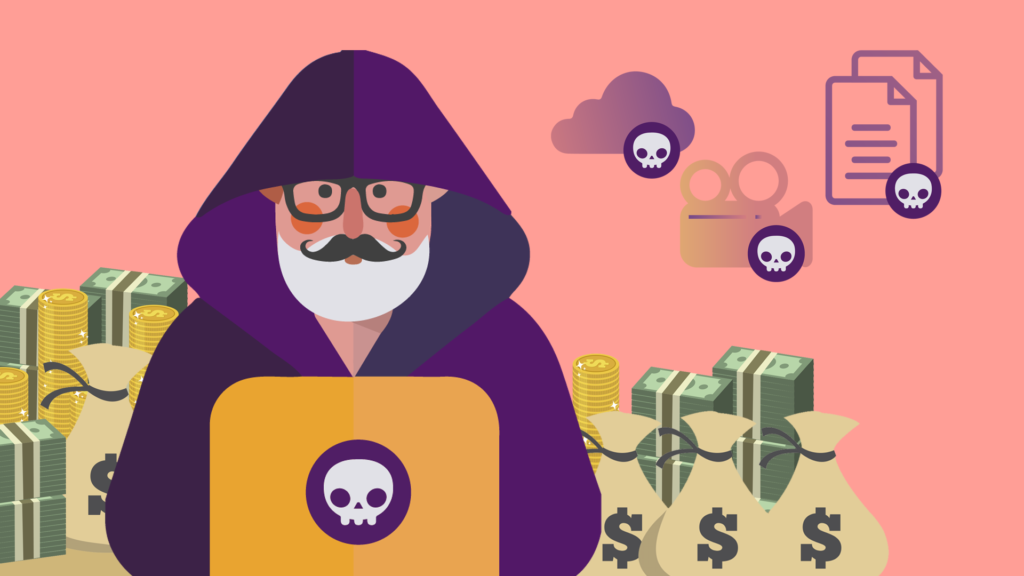
It is a kind of digital hijacking with a type of malware that blocks users from accessing their system or files, and the only way to access them again is through a rescue requested by cybercriminals.                                                                                                        

This type of malicious software has existed since the 80s, and in its early days, they demanded rescues via postal mail, nowadays the payments work through cryptocurrencies or credit cards.

Their way of operating is usually through malicious spam, which can appear as advertising or email with infected attachments and often deceive users by posing as recognized institutions (for example the FBI) to click on their contents.

Once it arrives on the system, the ransomware contacts the central server to obtain the information it needs to activate, there it can block or encrypt the files, and thus indicate the rescue instructions.

Generally, cybercriminals threaten to erase information or raise the price of rescue if it is not paid in the estimated time. The ransomware can affect any type of operating system: Windows, Mac or Linux.

Types of Ransomware according to its complexity:

Scareware: Despite the fact it seems dangerous nevertheless it is less fearsome. It generally uses pop-up messages from “supposed” fake security programs or a false offer of technical support reporting that a malware has been “detected” and that the only way to get rid of it is to pay. If the payment is not made, it will continue to issue pop-up messages, however the files are not affected.

Screen blockers: In this case, the malware is more complex because it blocks the computer screen, preventing its use completely. The files are there but there is no way to access them, unless the computer is restored, which will lose all the information you have if there is no previous backup.

Encryption Ransomware: It is the most dangerous of all and, therefore, the most known, as it steals the files and the numbers, demanding a payment to re-decrypt and return them. By using encryption, it is impossible for a common security or restore software to return these files, unless the ransom is paid, which will not guarantee that the cybercriminal will return them.

Some prevention tips against Ransomware:

  1. Start by using (and updating) an antimalware, which includes firewalls.
  2. Update the system and all applications for any operating system, Mac, Windows or Linux.
  3. You can add a specific anti-ransom tool for this type of attack.
  4. Use antispam filters where these malwares usually arrive.
  5. There are applications that block the execution of some suspicious JavaScript code that could be harmful to the computer. If you install any, you can minimize the risk of infection through the web.
  6. Review the extensions of the files, to identify files that are passed by others (for example if you see a Word file with the extension .exe)
  7. Administrator accounts are the most sought after by hackers, they know they are those who have greater access to the system. That is why it is recommended to do daily tasks in other accounts and use administrator account only for system manipulations.
  8. Limit network access to sensitive files in terms of editing, share them so they can be read and give permission to edit only to those who need it.
  9. Make backups and save and keep the most sensitive information handly in secure applications such as Hushapp.

After the attack:

If, unfortunately, you were already a victim of a Ransomware, the first thing you should do is to keep calm, avoid as much as possible to pay, this will not ensure anything, and finally, follow these steps:

  • Disconnect the internet device quickly before the malware can access the server. Isolates the device from all the rest of the network.
  • Some large cybersecurity firms offer free solutions such as web pages and software to decipher ransomware and search for solutions to damages.
  • The idea is to call the relevant authorities so they can help.

Cyber attacks by Ransomware are increasingly sophisticated and can cause large losses to companies (and also to people). Therefore, it is important to take all necessary preventive measures to protect sensitive information of the company.

Filed Under: Cybersecurity Business Tagged With: ciberattack, hacker, hackers, HushApp, malicious software, malware, pishing, Ransonware, spam, virus

7 basic tips to protect the banking data of a cyber attack

February 6, 2019 by HushApp Team

7 basic tips to protect the banking data of a cyber attack

Every day more companies join the different changes that digital transformation implies in their services, in order to provide greater comfort, usability and agility to their customers. However, digitalization leads to an increase in risks in terms of cyber attacks, which are growing by leaps and bounds and cover any business sector, especially the financial sector, since customer banking data is the most desired objective by hackers.

A common example is the mobile applications of the banks, the clients, without a doubt, prefer to carry out their transactions from their smartphones, for the speed and ease that it offers them. But if the necessary measures are not taken, this would be an open door for any cybercriminal to obtain information or money easily from the users and the banks.

Phishing, Ransomware, Malware, DDoS attacks and ATM attacks are terms that have become increasingly common in the financial world. This has forced security professionals to increase their efforts so that banking data remains protected and at the same time are easily accessible to users.

According to the Cisco Latin America blog, the main concerns of security professionals are: the use given to mobile devices (58%), sensitive data stored in public clouds (57%) and finally (57%) behavior of the user. It could be said, according to this data, that it will largely depend on the degree of awareness regarding cybersecurity that the user may have when handling sensitive information.

That is why education on issues of cybersecurity and privacy plays a fundamental role. Start with some tips or online security measures that can make a difference when making a bank transaction safely, and here we mention some.

How to protect your banking data from a cyber attack?

  1. Keep your computer’s operating system updated: starting with the basics is the first step in improving the security of your information, especially computers. One of the most common vulnerabilities that facilitates cyber attacks are outdated operating systems. The most likely to be affected can be: Microsoft Windows Vista SP2, Windows Server 2008 SP2 and R2 SP, Windows 7, Windows 8.1, Windows RT 8.1, Windows Server 2012 and R2, Windows 10 and Windows Server 2016. 
    Give HushApp a Try!
    BOOK A DEMO
  2. Avoid connecting to a network Public Wi-Fi: when it comes to banking data and transactions, it is preferable to avoid connecting with a public network at all costs, in case it is very necessary, here you can read some extra security measures.
  3. Use Two-factor authentication: most banks have this service, it is important to take advantage of it, with this the bank will be able to verify if the account holder was connected or made any transaction, since it recognizes which devices are registered by the client.
  4. Disconnect or log out of the mobile or web application: if you are not going to continue using the account, it is preferable to disconnect or log out, from any of the devices you are using. A simple step that adds more difficulty to cybercriminals.
  5. Activate notifications by text message: it is advisable to activate notifications on the mobile to have up-to-date information on all transactions, and thus easily recognize any suspicious activity. You can also activate it (some banks already do it automatically) for notifications of high amounts.
  6. In case of being a victim of an attack like some ransomware, it is important to resist the impulse to pay the delinquents, since that will not ensure that the information is recovered. The most advisable thing is to call the relevant authorities so they can follow up on the case.
  7. Store banking data in secure applications: Data such as users, passwords, and other sensitive banking information can be stored in secure applications that allow you to keep your files encrypted.  With Hushapp you can save these types of files in the Hushbox of your mobile and they will remain safe, even if your device reaches inadequate hands, only you will have access to those files. You can also send them to whoever you want from the application and they will remain protected.

We invite you to learn more about Hushapp and how we can help you protect your important information.

Filed Under: Cybersecurity Business Tagged With: ATM attacks, banking data, DDoS attacks, digital transformation, encrypted files, financial sector, hackers, malware, phishing, public clouds, ransomware, two factor authentication

Data Breach: Types and Vulnerabilities

January 23, 2019 by HushApp Team

Data Breach: Types and Vulnerabilities

We invite you to read Hogan Injury’s post, our special guests:

For many years now, data has been a critical part of every organization. Criminals have been sharpening their tools to breach companies’ cybersecurity to get a hold of sensitive data.

What is a data breach?

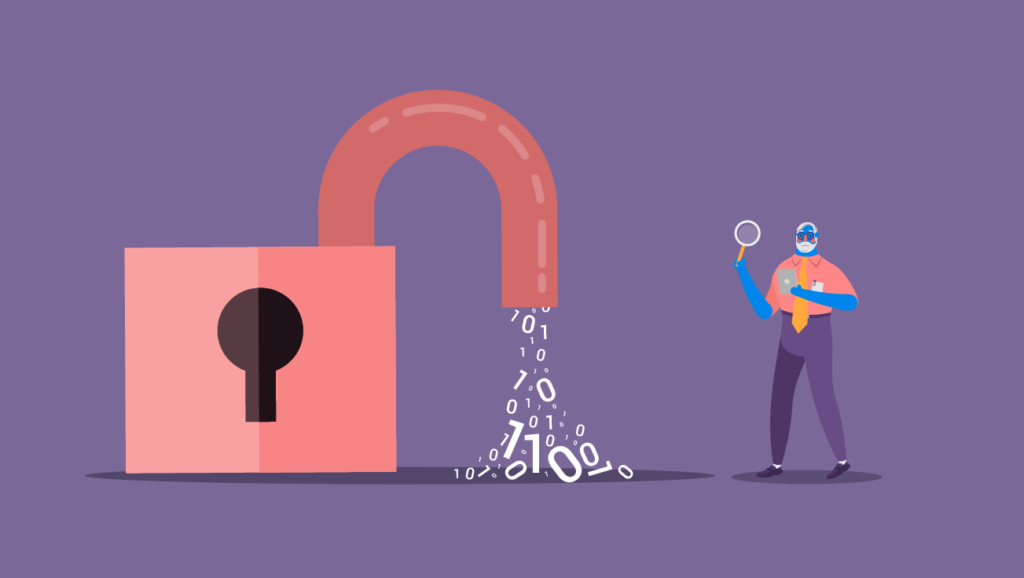
A data breach occurs when a cybercriminal is able to infiltrate a data source and acquire sensitive information, either done physically by accessing a computer or a network and steal the information or compromising a network security remotely. The latter is the one often used to target companies.

What are types of data breaches?

  1. Phishing. This refers to attempts to extract information from users by presenting itself as something official. This could be an email message that looks like an official message from your bank asking you to update your information.
  2. Password attacks. Cybercriminals run programs that would try multiple passwords until they are able to access your accounts. Such attacks can successfully crack unsecure passwords.
  3. Malware. The word “malware” is the general term used to refer to any virus. Worms and Trojans are among the best-known malwares. To keep them from infiltrating systems, risk management firms advise against clicking links and opening attachments from unrecognized sources.
  4. Ransomware. This type of breach is becoming popular recently, especially in law firms and hospitals. Cybercriminals, after gaining access to the network or website, will shut it down and lock it from all functionalities. After which, the criminals will ask for ransom for the access and the information gained.
  5. Denial of Service. This breach happens when the attackers or hackers attempt to prevent legitimate users from accessing a network, account, or service. It is done by flooding the users with useless and invalid authentication requests, resulting in the network to eventually crash.

How does a company become vulnerable to data breaches?

  • Employees. Insider threat remains to be on top of the list of security risks, partially because it is much easier for those who already have access to data to abuse it. Unhappy employees and those who have recently separated from the company are potential threats to data security. Employers must employ protocols that will minimize internal attacks and immediately deactivate separated employees’ login credentials. Employees who are careless and uninformed are equally dangerous.
  • Cloud Storage Apps. While it is a modern and convenient way to store data, cloud systems are vulnerable to breaches. To minimize risk, choose a reputable cloud storage company that uses data encryption.
  • Mobile Devices. When employees are allowed to bring and use their own mobile devices at work, it is a lot more difficult to control security, passwords, downloads, and other activities. Companies that allow employees to sue their own mobile device must have a comprehensive written policy in terms of expectations, liabilities, and limitations.
  • Third Party Service Providers. Outsourcing can be convenient and cost-effective, but it also leaves your company susceptible to cyber attacks and data breaches, especially if your service provider uses low-security methods. To minimize risk, choose a reputable third party service provider; have them specify in the contract their security procedures and the assumption of liability in case of a data breach in their system.

Contact us at Hogan Injury for expert legal advice.

Original text here

Filed Under: Cybersecurity Business Tagged With: cybersecurity, data breach, data security, malware, password, phishing, rasomware

10 tips to ensure your web page of possible cyber attacks

December 11, 2018 by HushApp Team

10 tips to ensure your web page of possible cyber attacks

A web page is not complete if you do not add the necessary security levels. According to Hootsuite, 82% of users immediately leave a page if they feel unprotected when visiting a website. Therefore, it is useless to have a nice and easy to use website if it is an easy target for hackers who can carry out possible cyber attacks.  

The cybercriminals have a wide range of tools that they can use to attack you through your web page. The most severe dangers that you may encounter will be the access of sensitive data that is exchanged on your website, a virus or malware, or even send emails from your accounts using your identity.

Another important point to consider is that major search engines such as Google have increased the penalties for unsafe websites, therefore your website would have less exposure to searches due to lacking the appropriate security for your website. There are some fundamental measures to ensure your website is safe from possible cyber attacks. The following are some ways to protect yourself and help safeguard from a potential attack.

How to secure my website of possible cyber attacks?

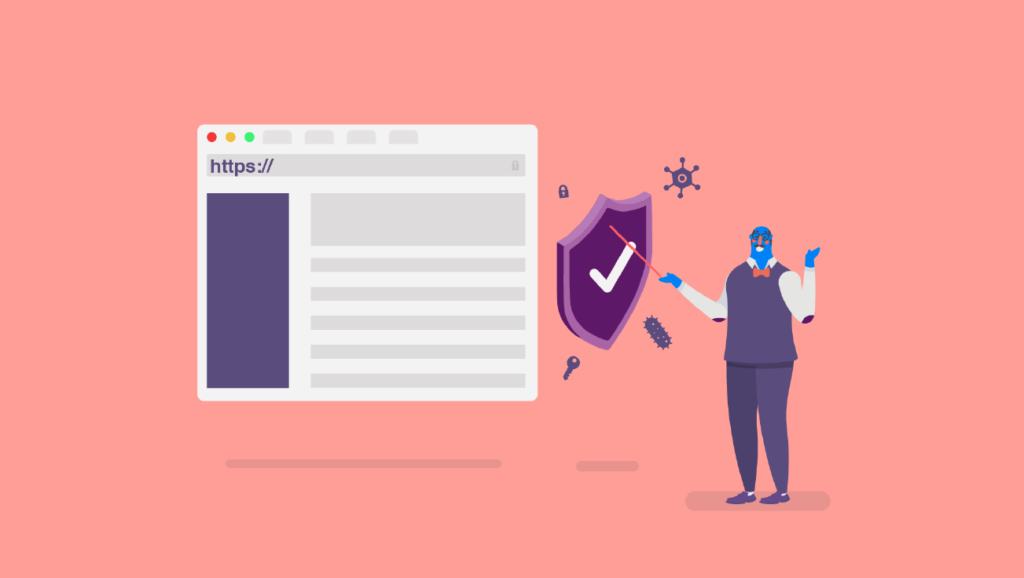
  1. Add HTTPS security with an SSL certificate: The basic rule of how to know if a site is safe or not is to check if the beginning of the URL is “https”. Websites that have this have a padlock, and for this you need an SSL certificate. The typical connection where websites are hosted is HTTP, notice it is the same but there is no  “s” at the end. This website would be open to leak any sensitive data of users such as users and passwords or banking information if it is an e-commerce.

Using HTTPS, an encrypted connection is established between the browser and the website therefore data cannot be intercepted. The SSL certificate is what will provide this encryption and you should only install it on your hosting, the way to do it will depend on the provider.

Another clear benefit is that by having these type of secure pages, search engines will give them a better promote them.

  1. Add a Security Seal to a website: Having a site seal is an extra layer of security  because it acts as an antivirus for your page. These stamps can monitor your website under searches of malwares or viruses that may have been loaded by a hacker, and it notifies you so you can eliminate potential harm.
  2. Keep your website code updated: Just like you do with any application or software on your devices.
  3. Similarly, keep the platform and the scripts updated especially for the CMS (content management system) that you use.
  4. Change the prefix of the table in the database of your website: In the case of blogs like WordPress they have the default prefix “wp”, this can be changed and it will be harder for hackers to obtain information from your website.
  5. Place a password on the database of the site, thereby adding more protection to the information collected by your website.
  6. After having uploaded or updated the content of your website, be sure to delete the copy that remains in your device. Mainly since if you do not, any cybercriminal could access your computer and have access to your files, therefore save them in a secure place.
  7. It uses a CDN: A content delivery network consists of a network of several servers that are spread over different points between which the work and information is distributed. Its advantage is that if one server is attacked, the others serve as a backup.
  8. If your website is an e-commerce, you must ensure that your customers can trust it.
  9. Use robust passwords to access your website: Although it seems obvious, many people omit it, thereby making a hacker’s life much easier especially if they are seeking to access all site content, so you must protect it.

Although no measure is 100% infallible to avoid possible cyber attacks, the more layers of security you add to your website, the harder it becomes for hackers.

Filed Under: Cybersecurity Business Tagged With: CDN, cyber attack, cybercriminals, e-commerce, malware, passwords., scripts, sensitive data, SSL certificate, virus, website code, websites

IoT Cybersecurity: 10 tips to protect the security of your home

July 24, 2018 by HushApp Team Leave a Comment

IoT Cybersecurity: 10 tips to protect the security of your home

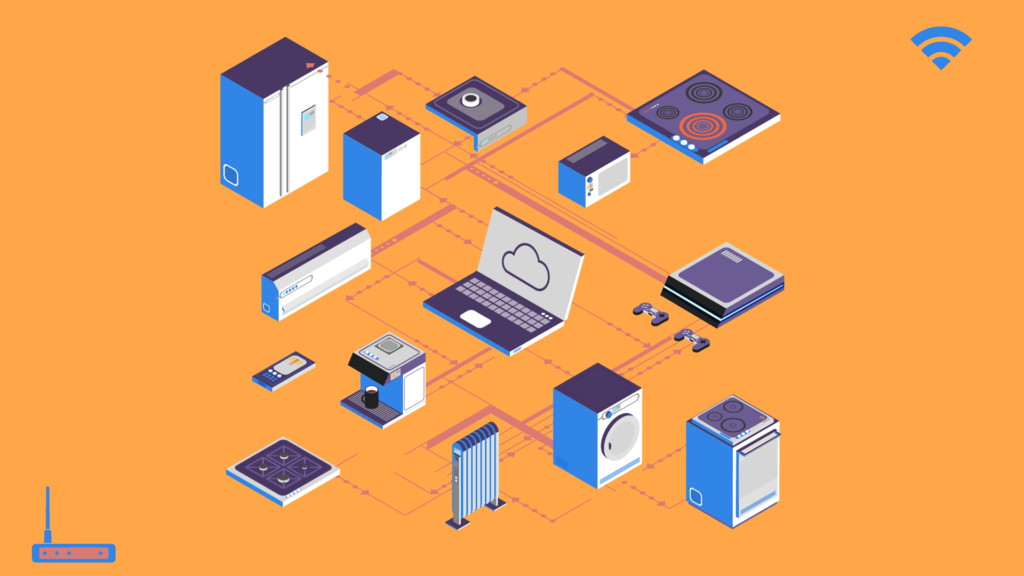
Talking about IoT Cybersecurity should not be surprising these days. The popularity of the Internet of Things (IoT) has increased dramatically and is taking over our homes, but as the Smart Home trend grows, the possibility of a cyber attack through one of these devices increases.

According to a study by Gartnet, there are more than 5 million devices connected today and the trend is growing. On the other hand, it is estimated that by 2020 the IoT technology will be the target of more than a quarter of all cyber attacks.

To start protecting your devices and prevent a possible cyber attack, just follow these simple IoT cybersecurity tips that we show you below:

10 tips on IoT Cybersecurity

1. Use different passwords for each device. Just like any other service, remember that each password works like a key, you do not use the same key for more than one door. Make sure they are complex enough so that they can not be discovered so easily.

2. If it is possible to use more than one router. Considering that most people generally connect everything to the same network, it means that this one connection has more doors opened through which it might suffer an attack. It also means that once in, the attacker has access to the whole network.

3. Protect your phone, since from there you will access the rest of the devices in the home. Use passwords and any other protection systems that you consider necessary.

4. It is not necessary to connect all the services of the device to the internet if you are not using them. For example in the case of a Smart TV, disconnect the camera or microphone when you
do not need it.

5. Make sure none connect automatically to open Wi-Fi networks. Manually configure them to connect only to the network of your choice, and make sure they are programmed to do it only when you want.

6. It’s much better if there is some way that your IoT devices can send and receive your data in an encrypted way.

7. Do not buy products that are not compatible with one another, or that can no longer be protected.

8. Buy only brands of known manufacturers and have a good reputation in the market. Cheap is expensive and even dangerous.

9. Avoid buying used devices, they can come with some malware installed.

10. Update the software of the devices regularly. In case the devices don’t update automatically, do verify it manually. Do not use equipment that can not be updated.

Cybercriminals have everyday more tools to attack and access our personal information, so we must not make it easy for them. IoT cybersecurity should be as fundamental as in any other device, software or service that you use in your day-to-day life.

Filed Under: HushApp Tips Tagged With: cybercriminals, cybersecurity, encrypted, IoT, IoT Cybersecurity, IoT devices, malware, passwords.

logo HushApp made in EU

HushApp allows to protect and send files safely without complications, in any platform. Sign up for HushApp and enjoy the peace of mind of end-to-end encryption.


Product
Features Pricing Android App iOS App coming soon Web App
Users
Book a demo FAQ Guide Support
Business
Hush for Business GDPR Use cases
About
About us Jobs Terms of Use Privacy Policy Legal
This website uses cookies to improve your experience. We'll assume you're ok with this, but you can opt-out if you wish.Accept Read More
Privacy & Cookies Policy
Necessary Always Enabled